


As a leading enterprise in China’s semiconductor lead frame industry, Longteng Electronics has consistently specialised in the research, development and production of lead frames, lead frame stamping dies and related electromechanical products. The company boasts an extensive product range, covering various lead frames such as the 220 series, 126 series and 92 series, as well as integrated circuit series including SOT-23, SOP8, DIP, IPAK, 251, 252 (four-row), 3P series, SOD123 (four-row and six-row), SOP16, 94C, 237, 220FP and 220FY.
-
2005Date of incorporation
-
4hundred million+The company’s total annual sales
-
 Taixing Longteng
Electronics Co., Ltd.An experienced
service team -
4.5W㎡Site area of the company
-
170+The company currently employs
-
100+Obtaining a patent



Product
- Products
-
IPM
QFN&PDFN
SIP
SOP&TSSOP
SOT&SOD
TOLL&252
TO
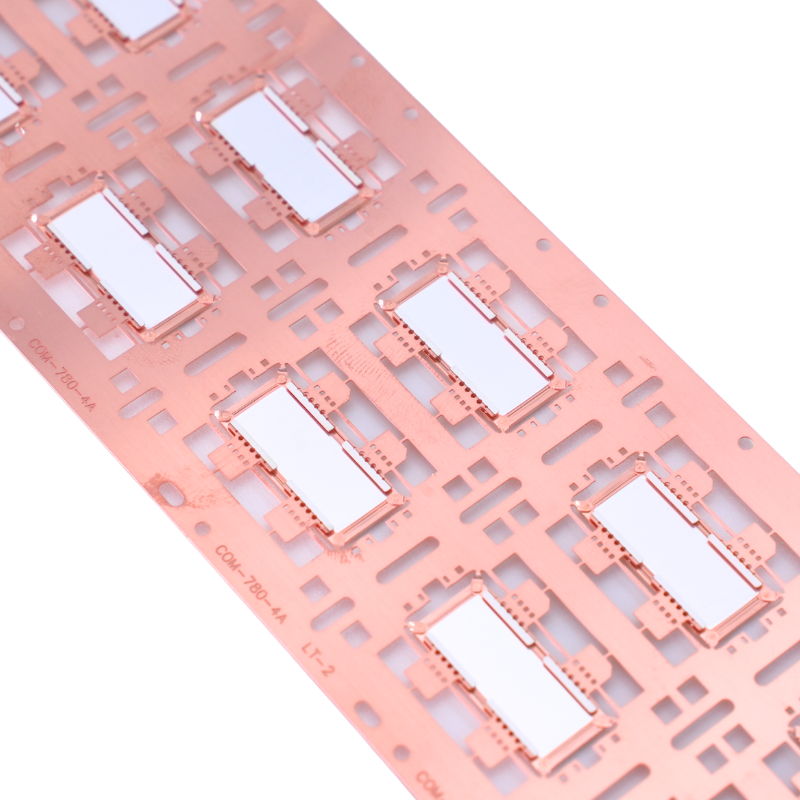
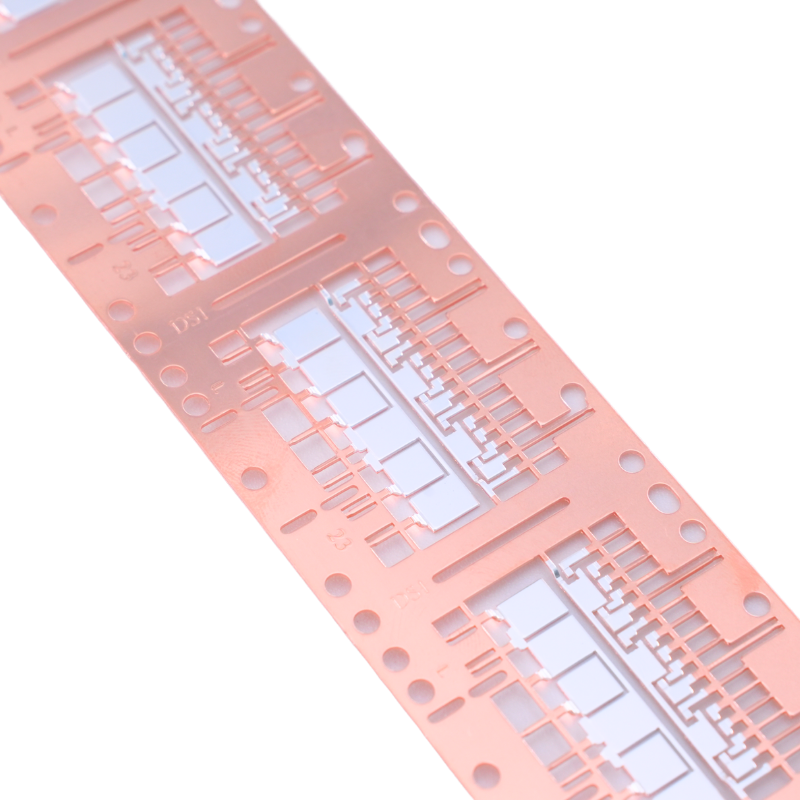
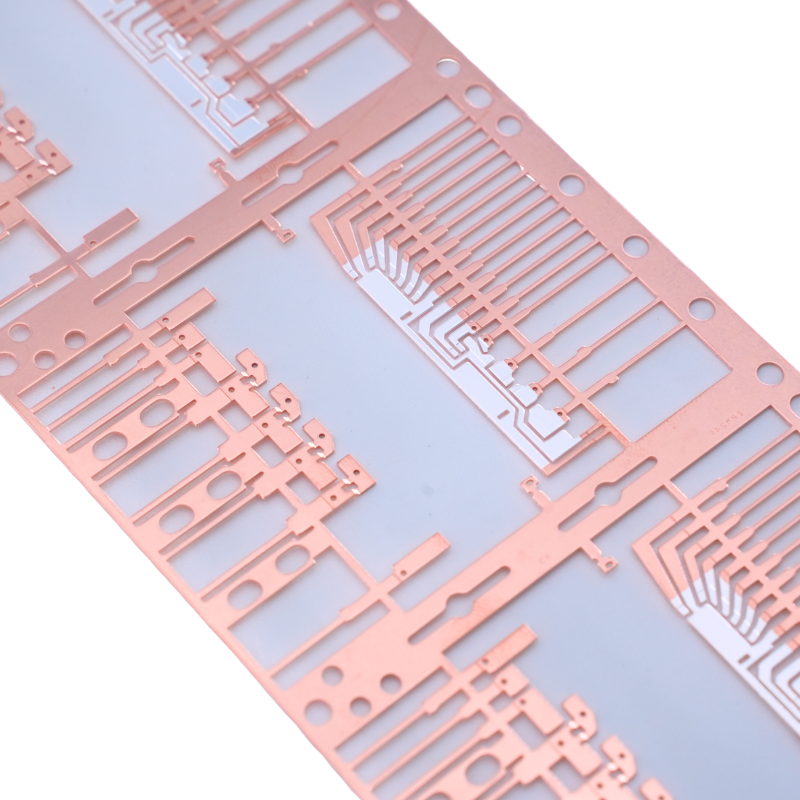
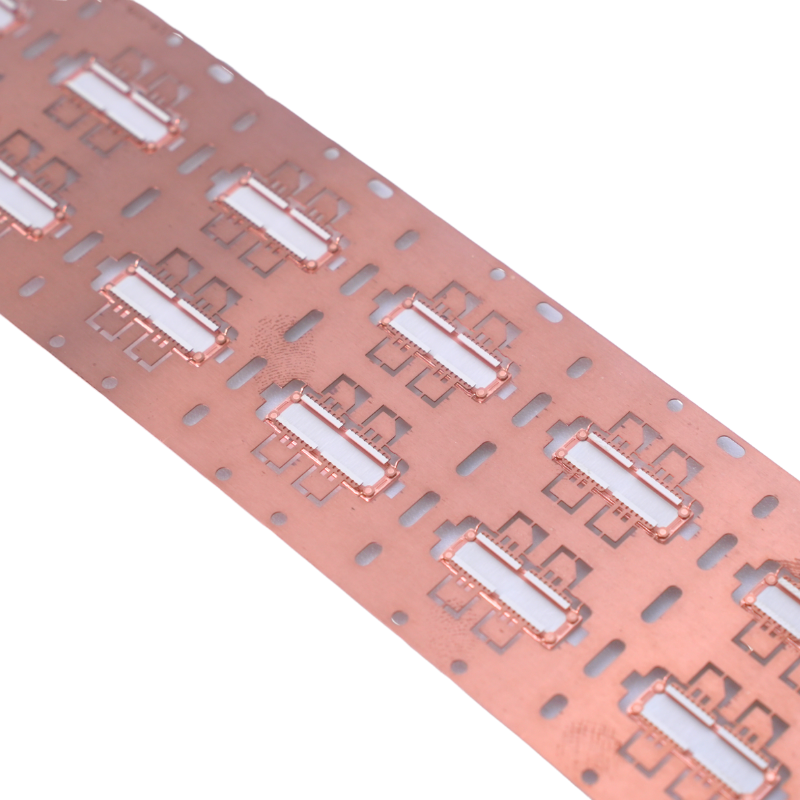
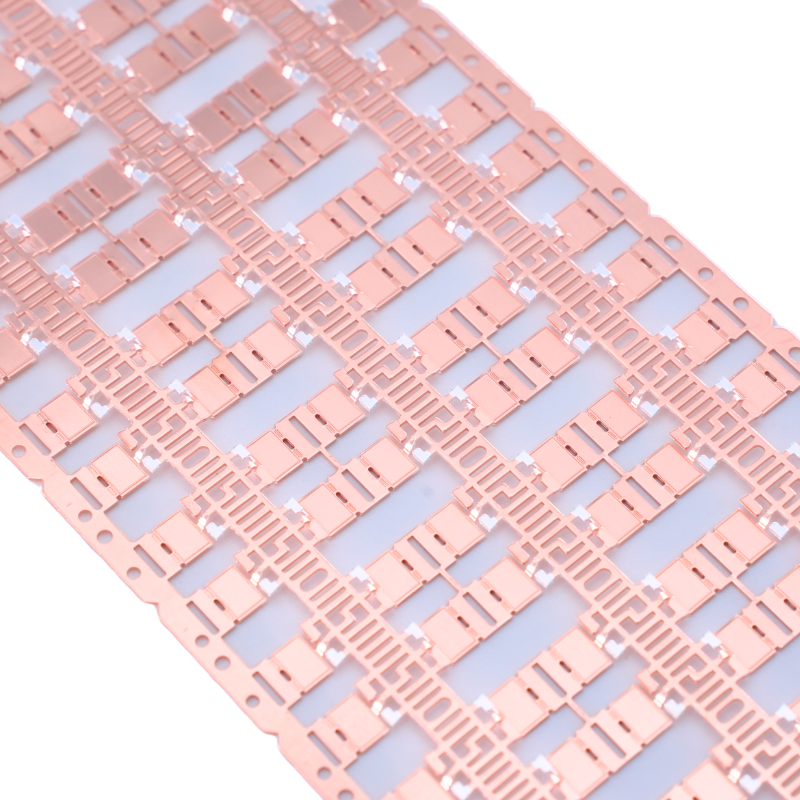
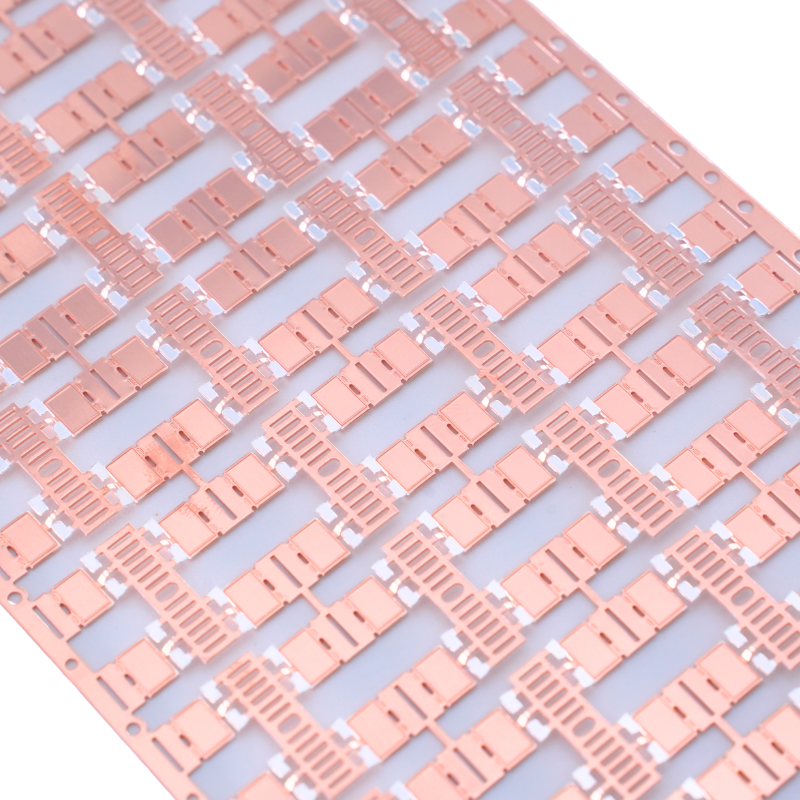
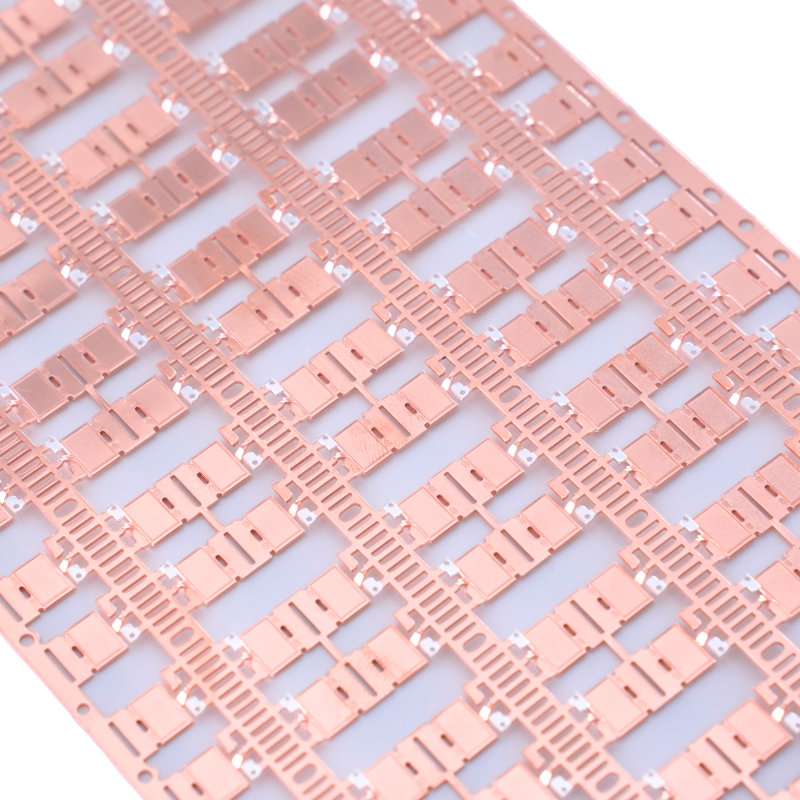
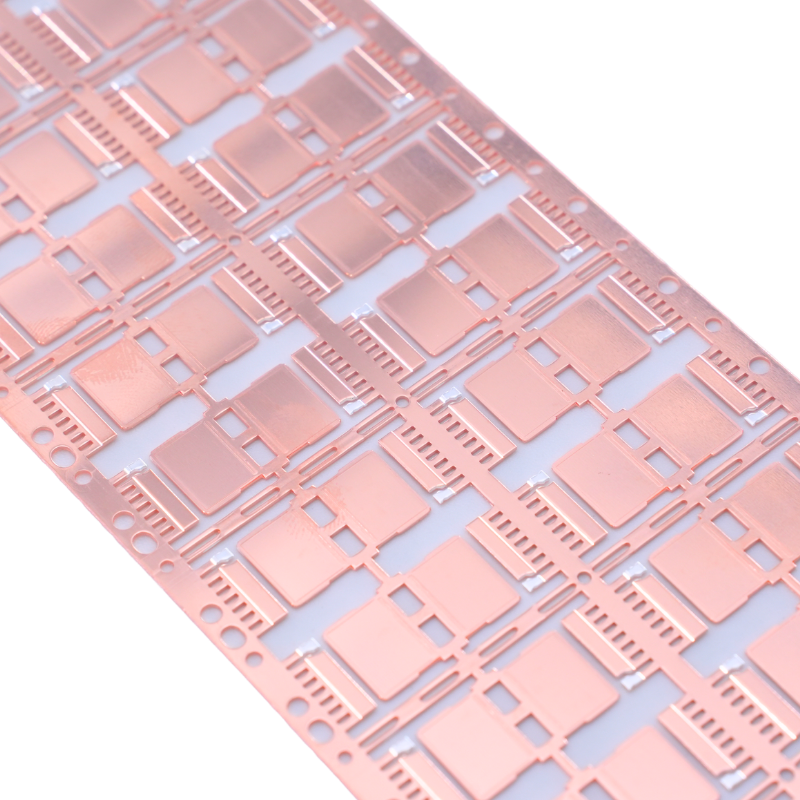
0.65PDFN3.3X3.3-08 Cu 101X74

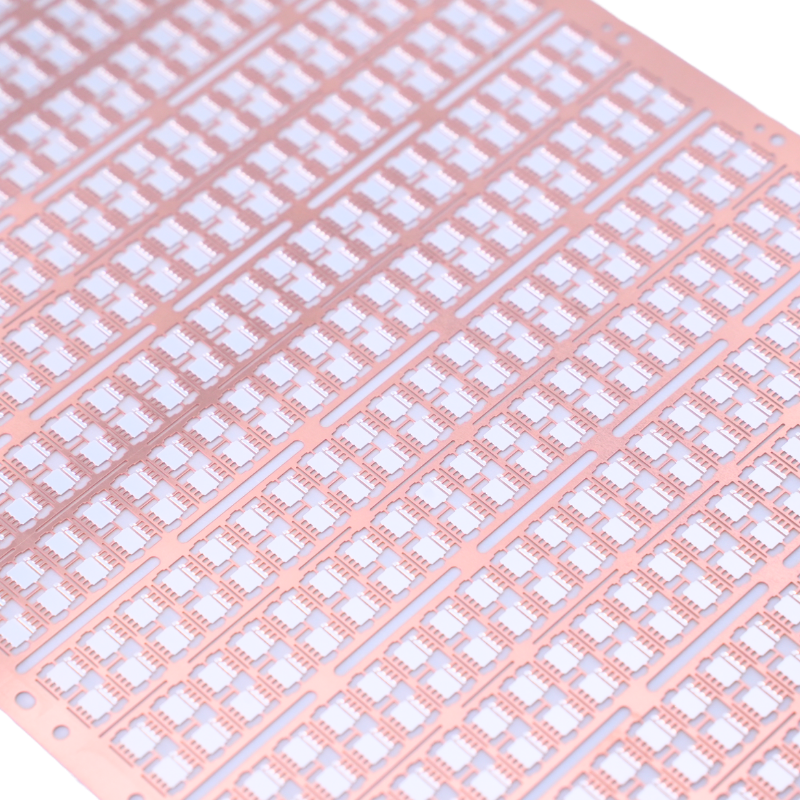
DI3333-8L C
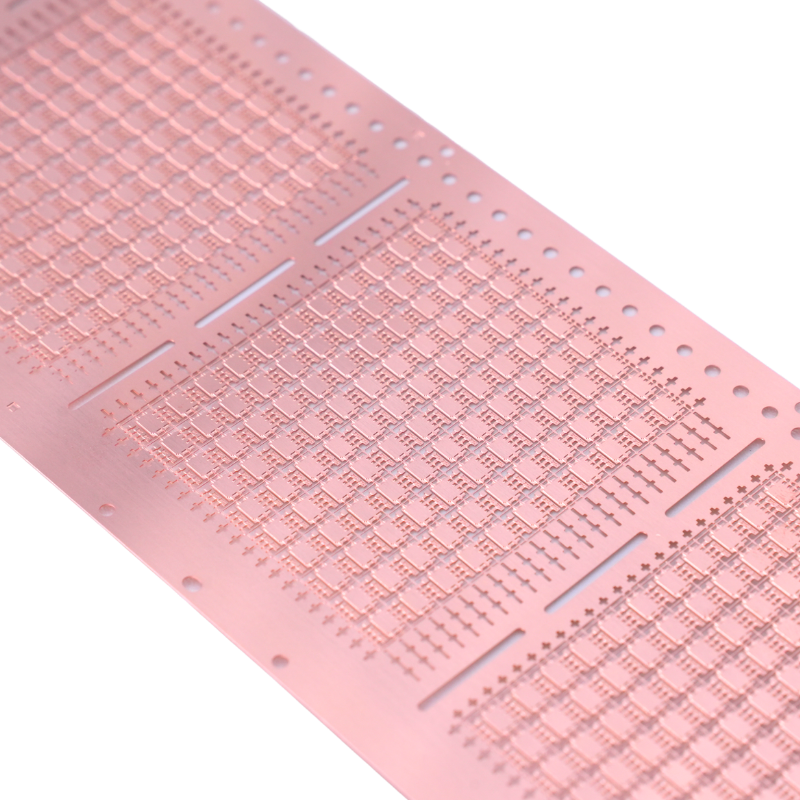
PDFN5×6(12R)-8L(P1.27)(166×149)
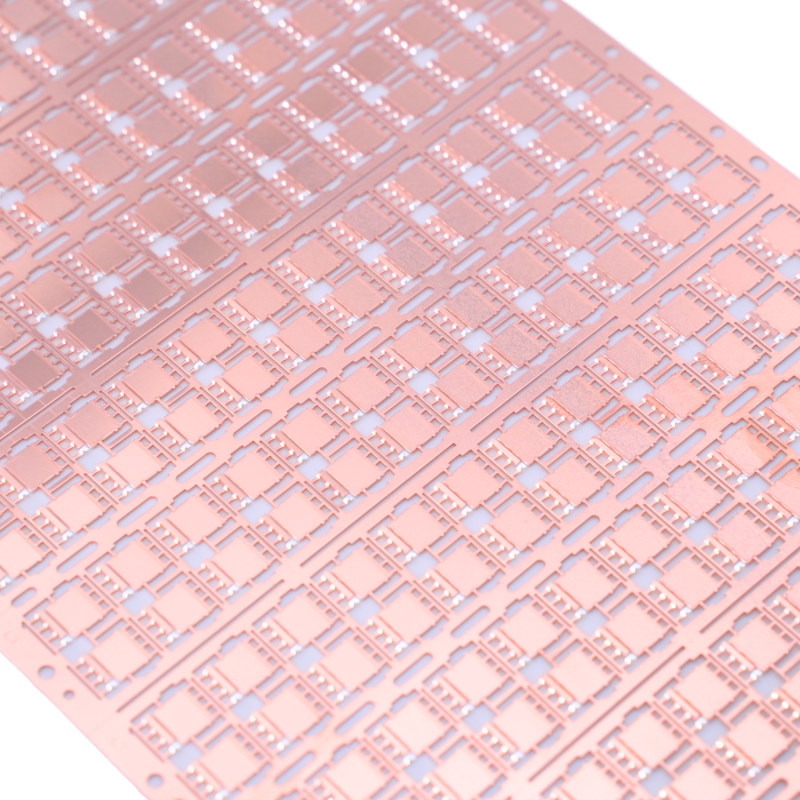
SIP4L-12R 0.36
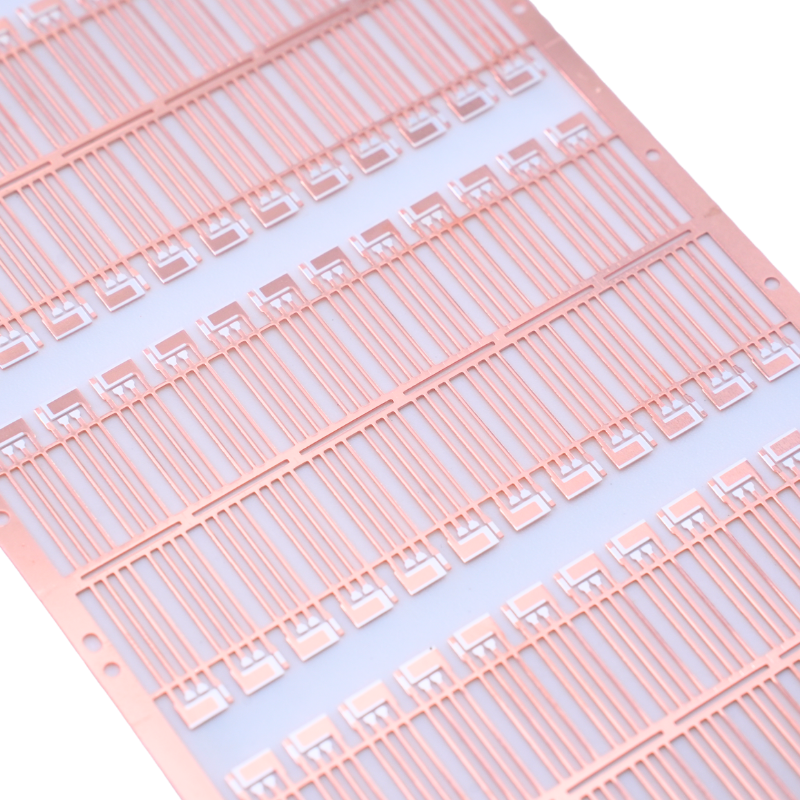
SOP7-12R Sanjima
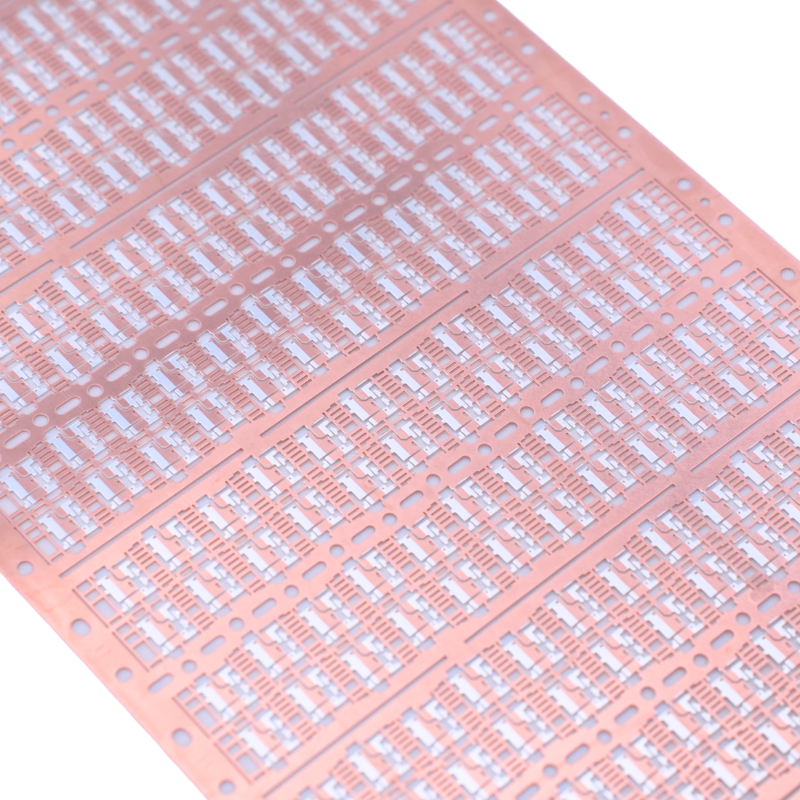
ESOP8(15R) Cu 95x130-2
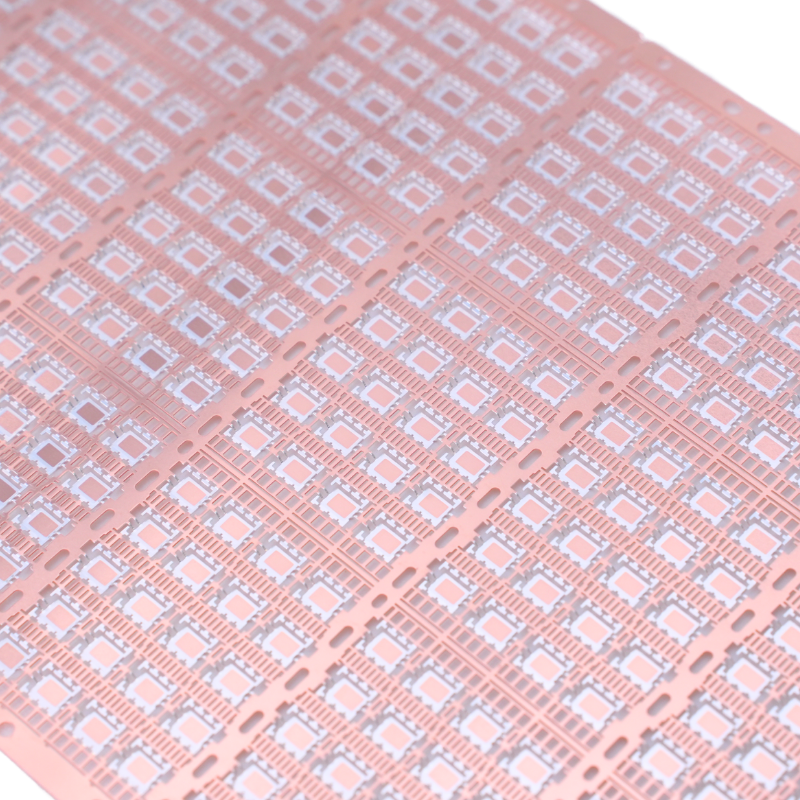
PDFN5X6-8L 149X166
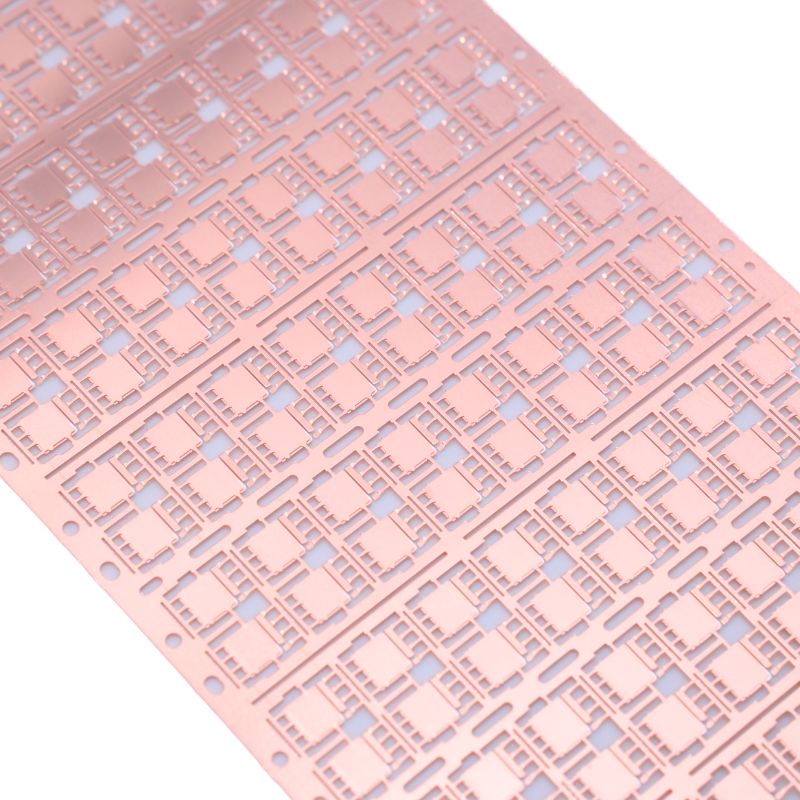
QIPai6
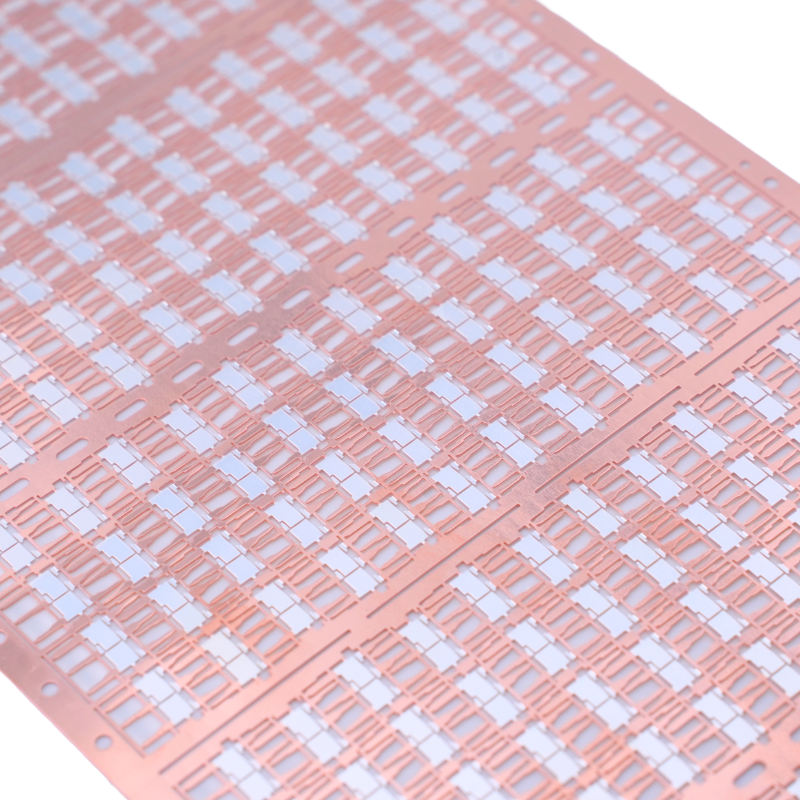
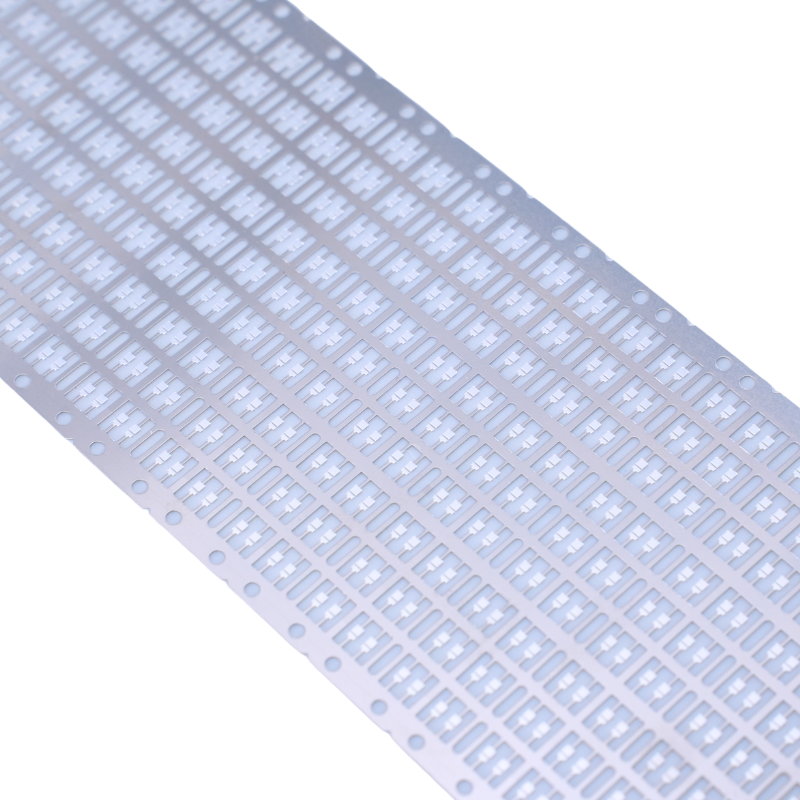
SOT223-11R Silver-plated strip
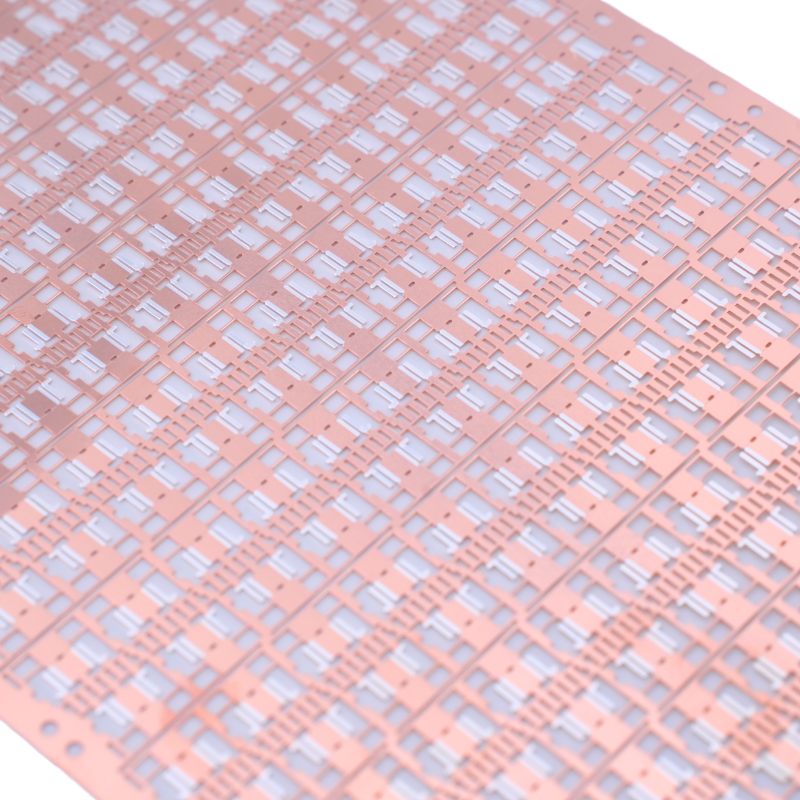
SOT23-6(24R) Copper 35X72
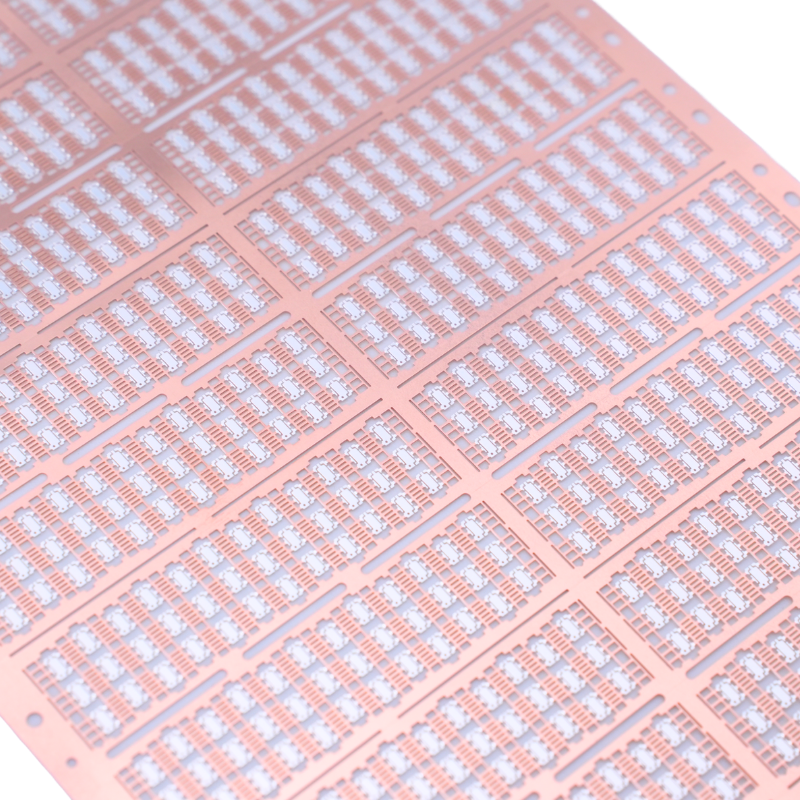
SOD323-9R-C3(FE)
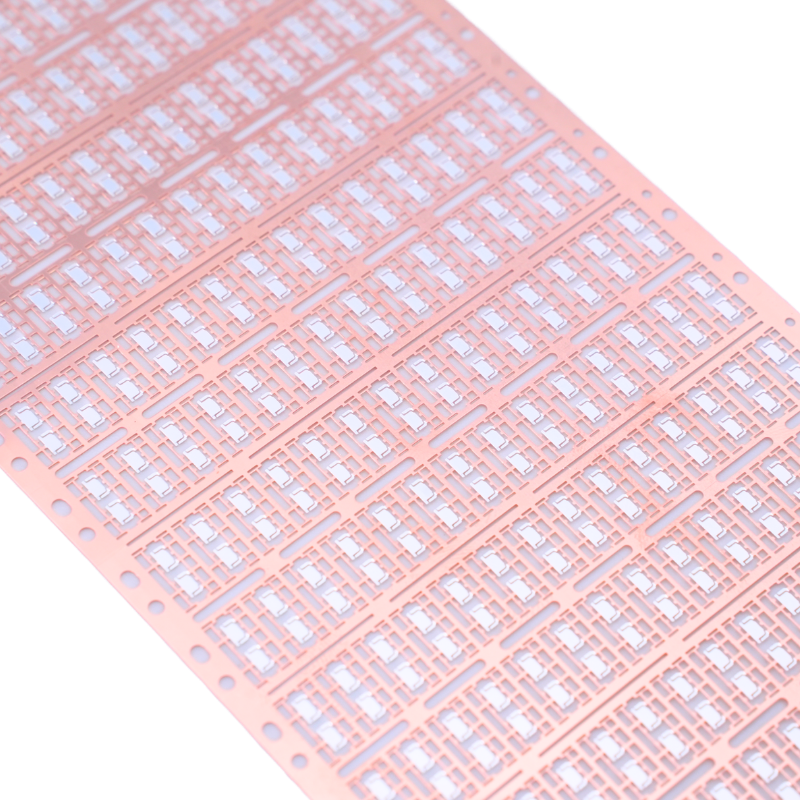
SOT23-3L-14R 51X72
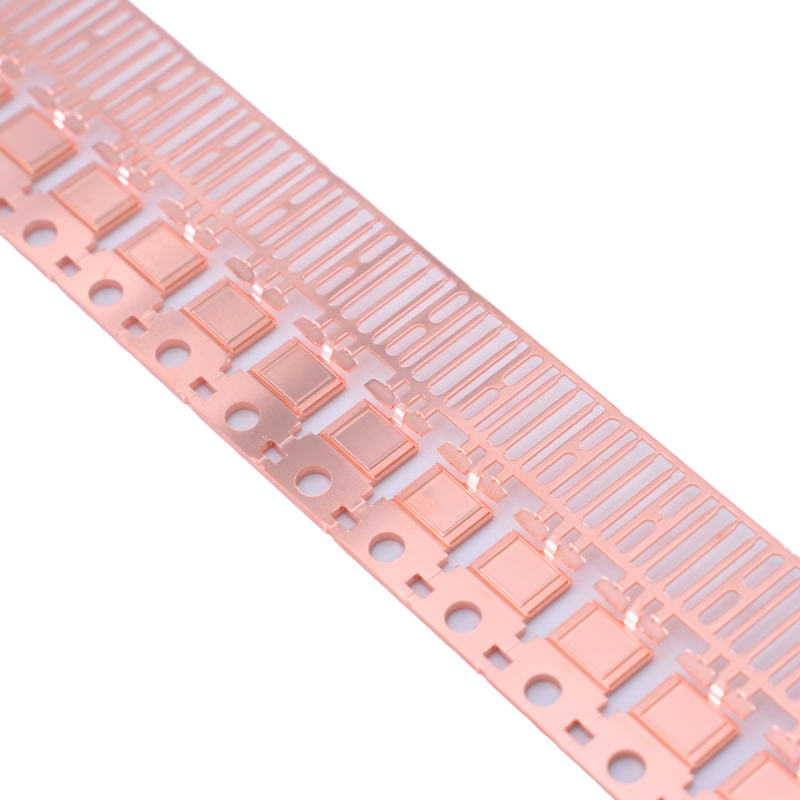
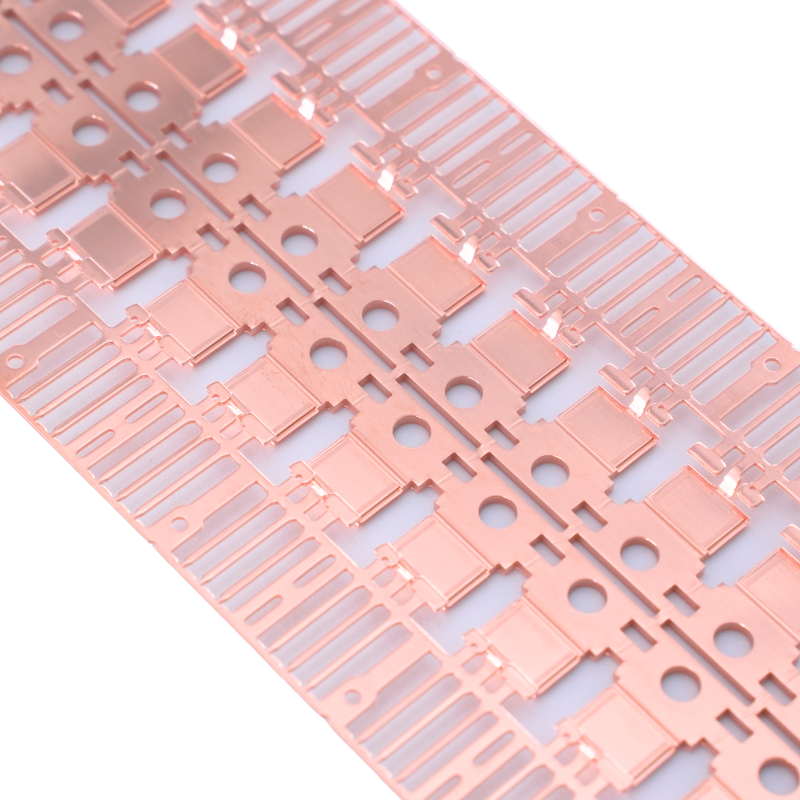
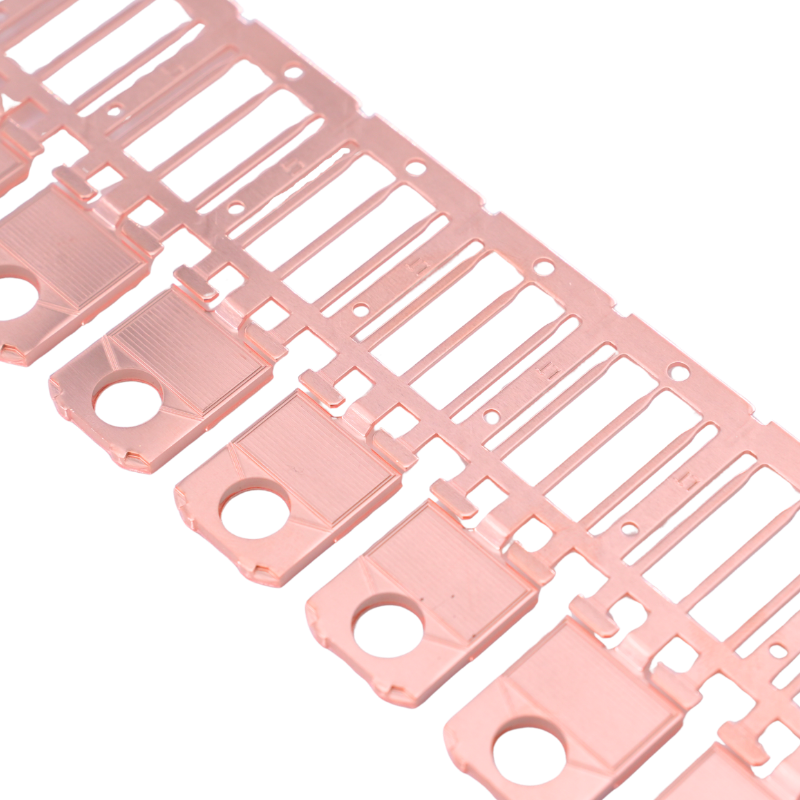
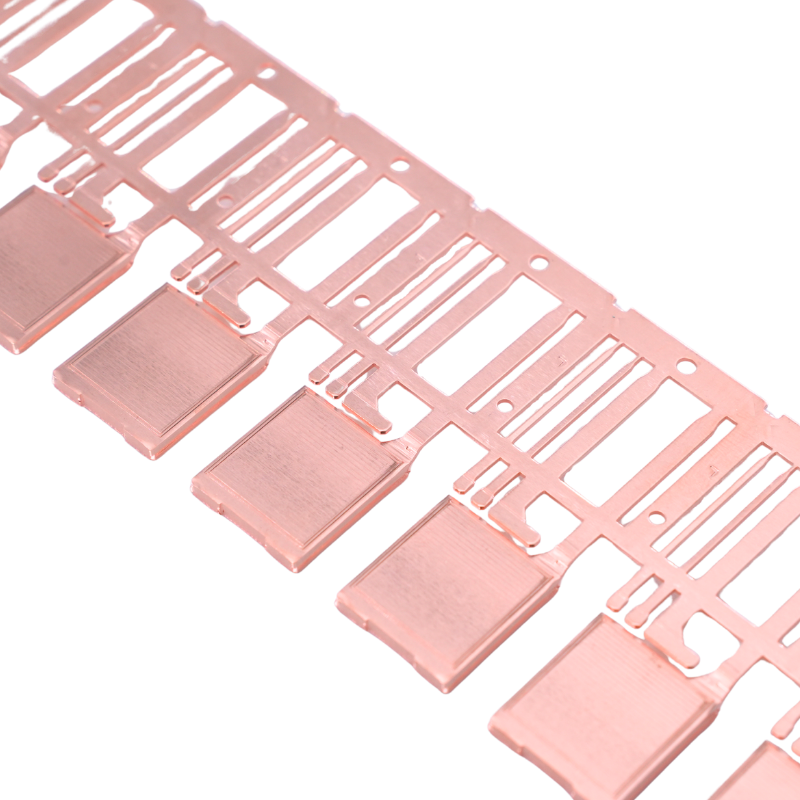
News
2026
08
/
27
Perspective on the shift in demand structure: Automotive electronics are gradually replacing consumer electronics to become the leading growth sector for lead frame
In the past, consumer electronics was the largest downstream market for lead frames; however, with the widespread adoption of new energy vehicles, 800V high-voltage platforms and in-vehicle power management chips, the share of lead frame demand from the automotive electronics sector is expected to continue rising by 2026, gradually surpassing that of traditional consumer electronics. Automotive-grade products impose more stringent requirements regarding temperature cycling, resistance to humidity and heat, and long-term reliability. This has compelled upstream lead frame manufacturers to refine their quality management systems and enhance process control standards, making the pursuit of automotive-grade certification a key strategic direction for their medium- to long-term development.

2026
08
/
27
Views on the domestic substitution industry: The localisation of standard lead frames is well established, whilst there is still room for improvement in high-end etched frame
The self-sufficiency rate for standard stamped lead frames in the domestic market is already at a relatively high level, and local manufacturers have well-established supply capabilities; however, ultra-thin and ultra-fine-pitch etched lead frames, as well as automotive-grade high-reliability frames, have previously relied heavily on supplies from overseas and Taiwanese manufacturers. Over the past two years, leading domestic enterprises have continued to undertake technological upgrades and expand production capacity, resulting in a year-on-year increase in the self-sufficiency rate for high-end products. With downstream packaging and testing companies showing a growing preference for localised procurement within their supply chains, domestic manufacturers are now entering a window of opportunity for product upgrading.
2026
08
/
27
An Overview of Knowledge on Matching Lead Frame Products with Downstream Packaging Format
Through-hole DIP and TO series: corresponding to lead frames for discrete components such as 220, 92 and 126; surface-mount SOT-23, SOP8 and SOP16: standard lead frame categories for general-purpose integrated circuits; QFN/DFN ultra-thin packages: high-density etched lead frames; New energy power devices, MOSFETs, diodes and transistors all require lead frames of the corresponding specifications for packaging and moulding; with product specifications and models numbering in the hundreds, a company’s product range is a key prerequisite for meeting customer requirements.
2026
08
/
27
A Guide to the Main Base Materials for Lead Frames: Copper Alloys Have Become the Market’s Preferred Choic
Copper-based alloy lead frames currently account for over 90 per cent of the market. Among these, the C194 copper alloy offers outstanding value for money, combining electrical conductivity, thermal conductivity and mechanical strength, and is suitable for the vast majority of consumer electronics, industrial and conventional automotive electronic products. Iron-nickel alloys have a coefficient of thermal expansion that is better matched to silicon chips and are frequently used in high-reliability military and aerospace products; however, due to their relatively poor electrical conductivity and higher cost, their market share continues to shrink. Surface electroplating (nickel or silver plating) is a critical production process that directly affects bonding stability and resistance to oxidation.
2026
08
/
27
An in-depth comparison of the two main production processes in the industry: stamped lead frames vs etched lead frame
Stamping process: This method relies on high-speed forming using precision dies, offering high production efficiency and moderate unit manufacturing costs. It is suitable for high-volume products with relatively wide pin pitches and conventional structures (such as DIP, SOT and TO220), and represents a mature production route with a higher market share in the industry; the core production capacity of most domestic manufacturers is centred on stamping production lines. Etching Process: This process utilises photolithography and chemical etching to form components, offering higher precision in line width and spacing as well as smaller feature sizes. It is suited to fine-pitch, high-density, high-end packages (such as QFN and DFN) and meets the miniaturisation requirements of 5G and automotive-grade chips. Whilst the overall investment in equipment and processes is higher, it represents a high-end upgrade direction for the industry. Industry Consensus